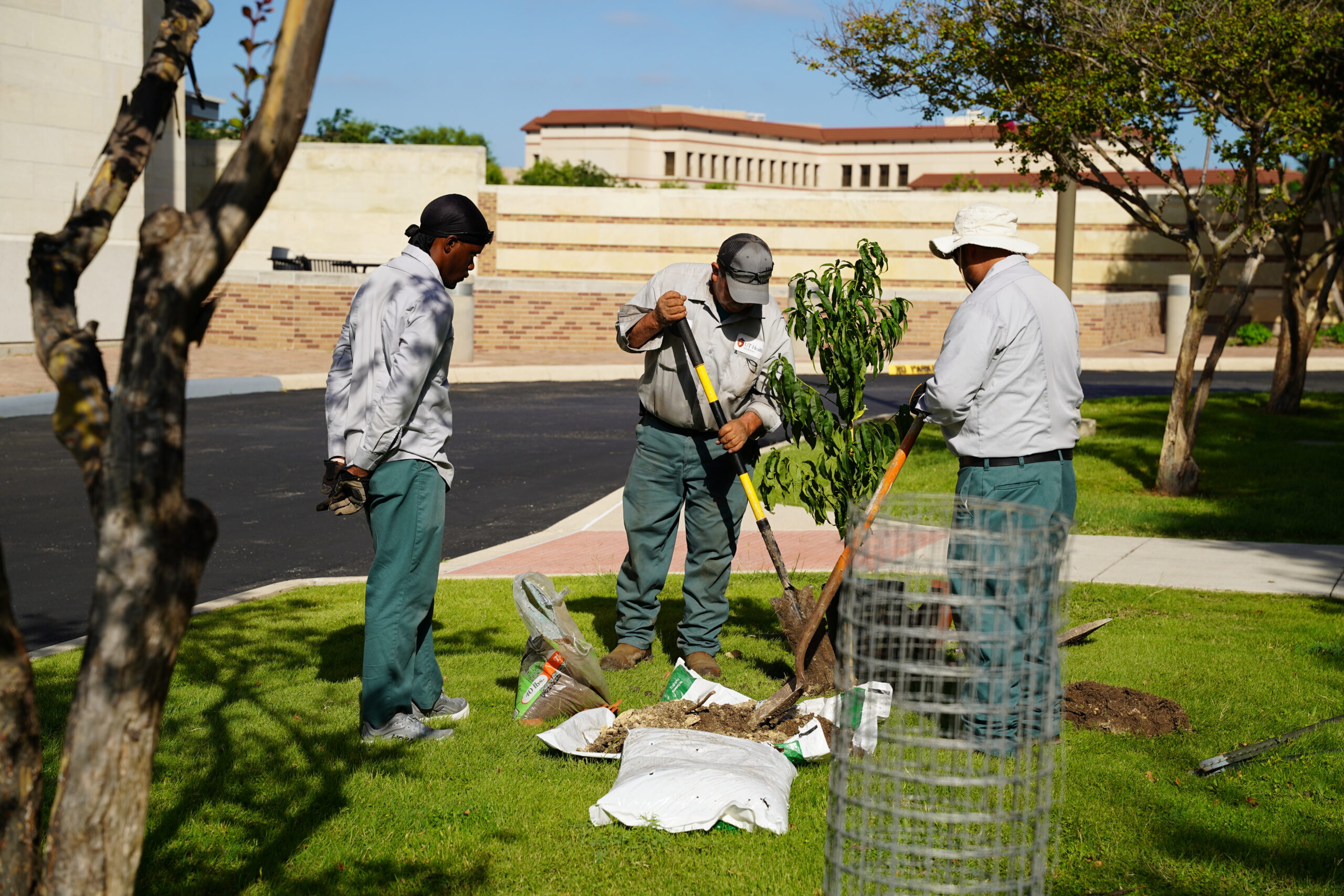
Community Orchard Tree Planting
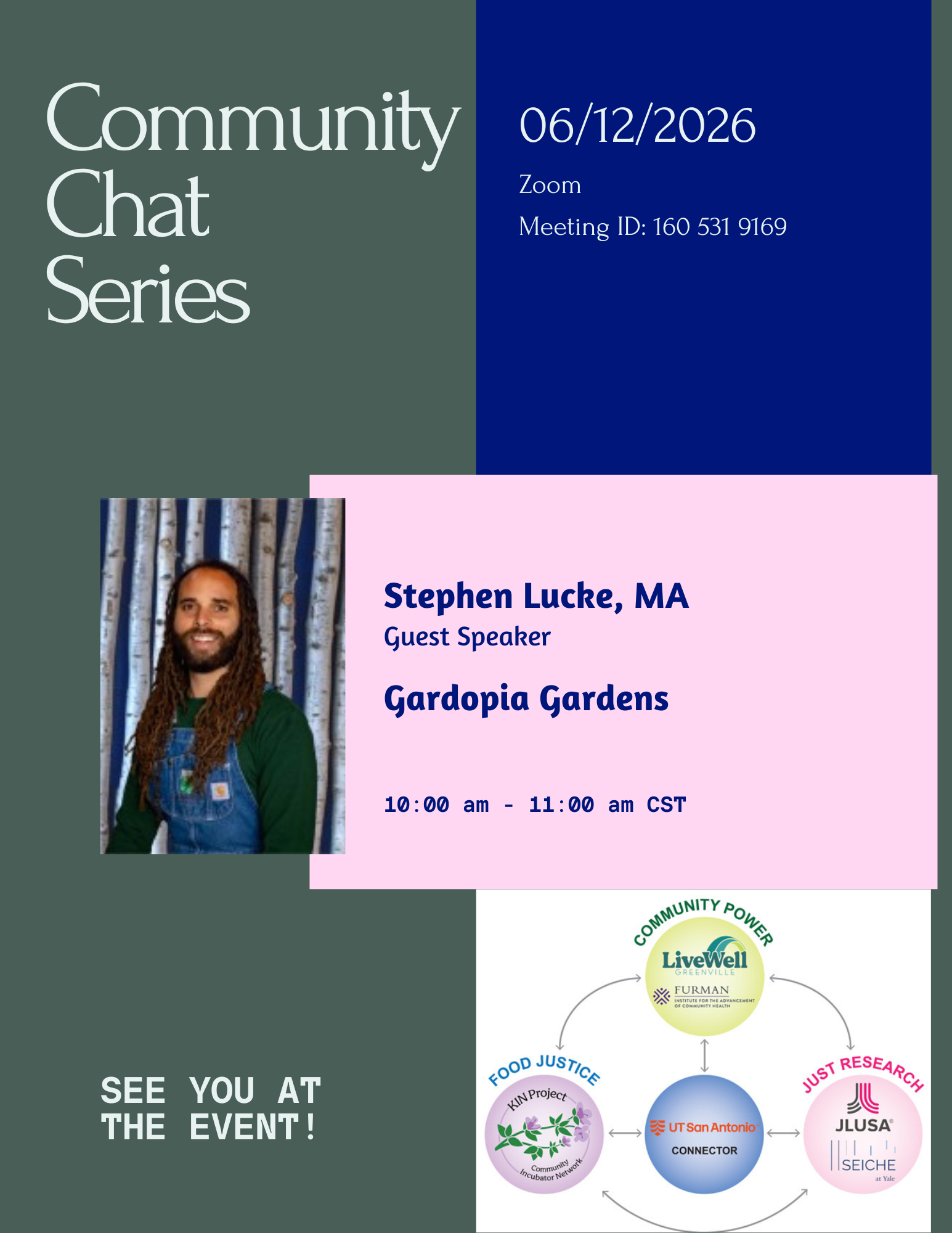
June Community Chat Series: Stephen Lucke, MA
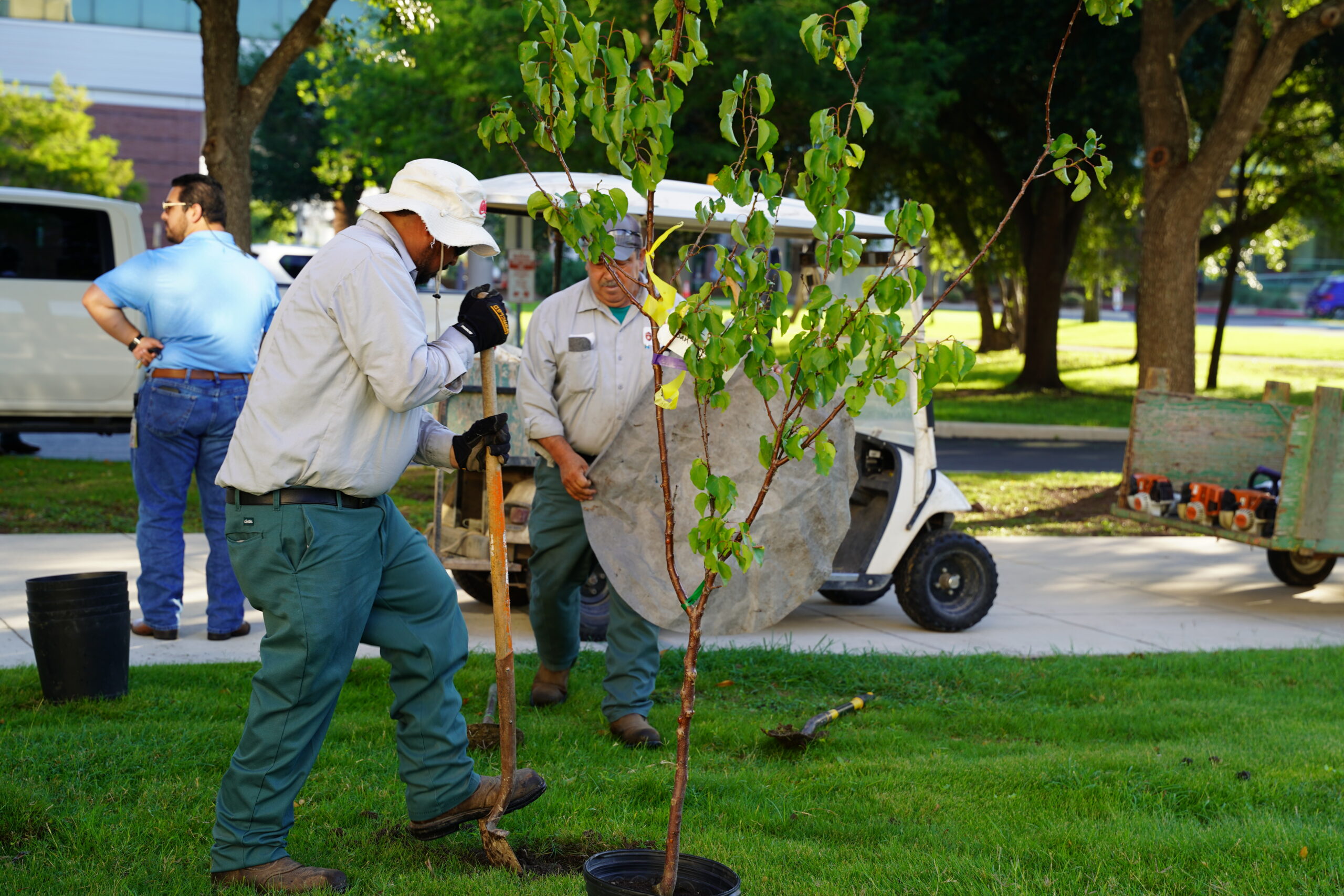
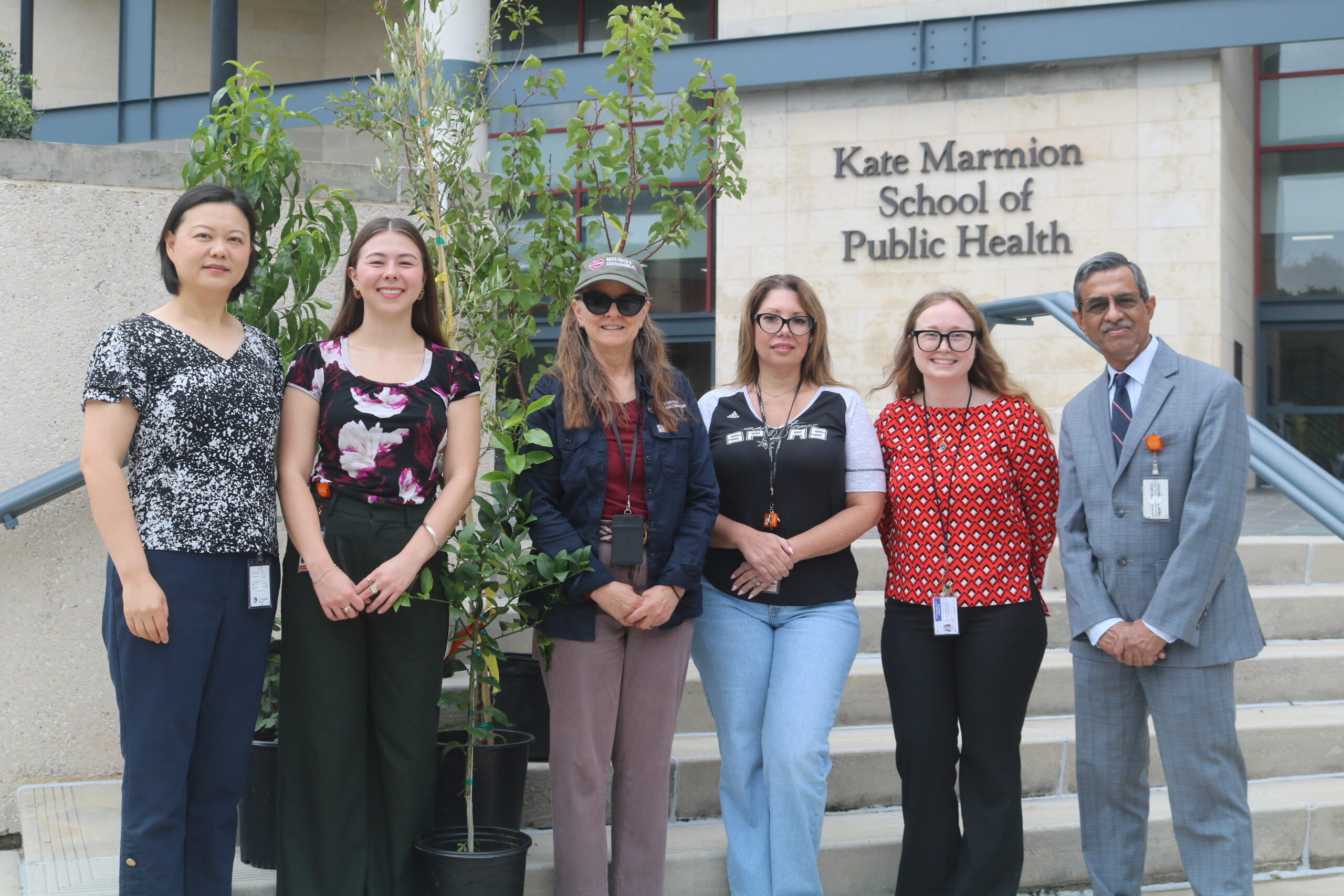
Community Orchard Tree Delivery
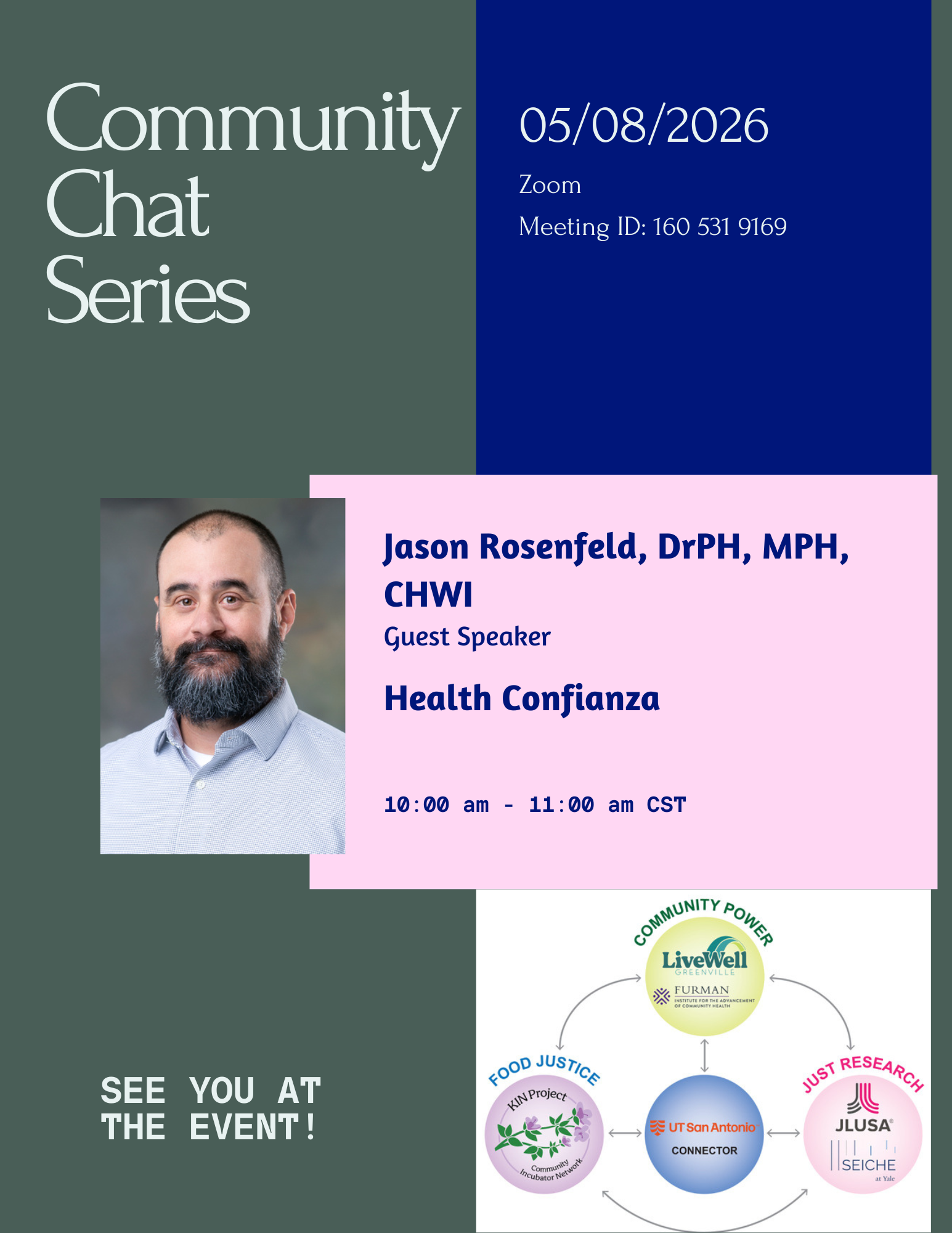
May Community Chat Series: Jason Rosenfield, DrPH, MPH, CHWI
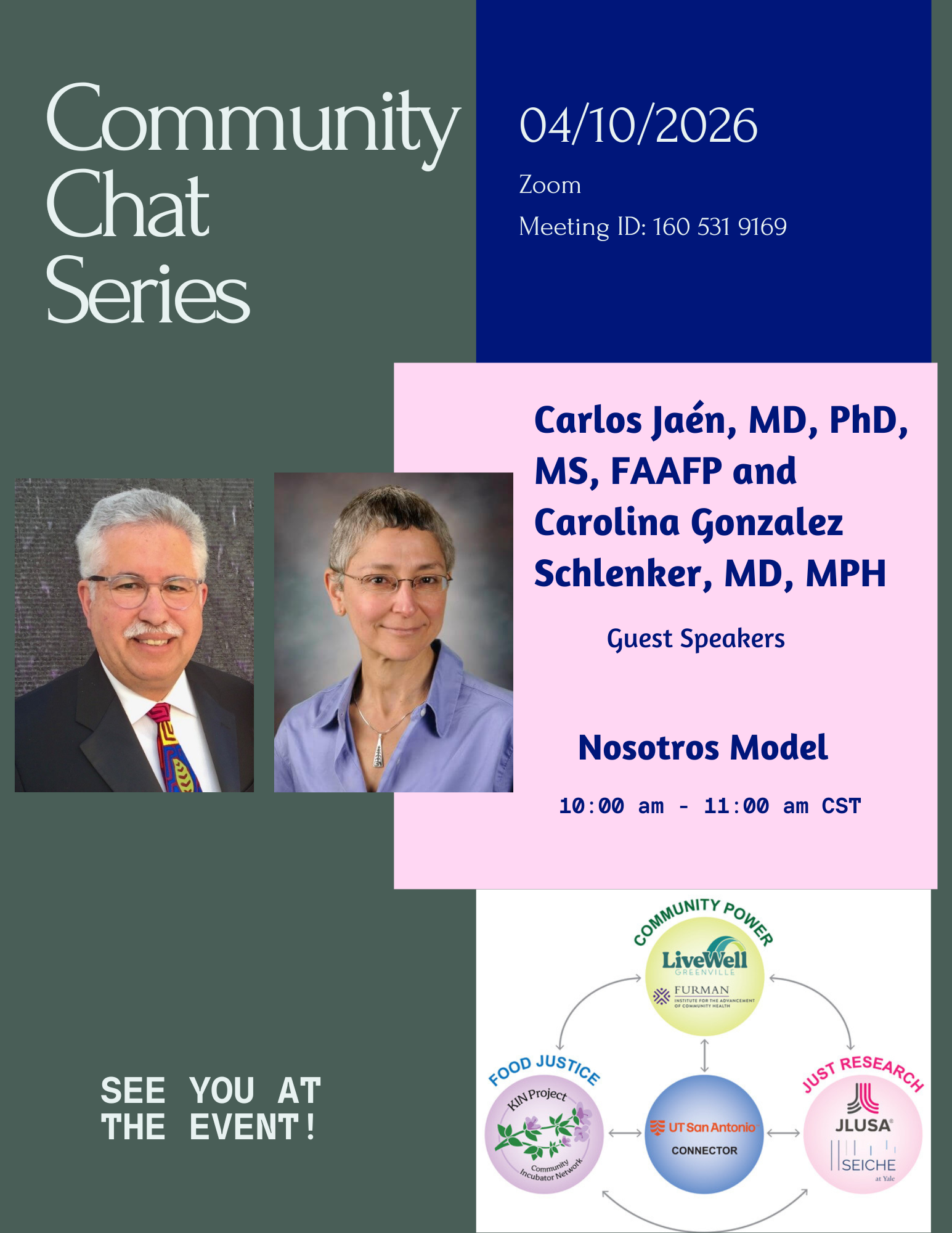
April Community Chat Series: Carlos Jaen, MD, PhD, MS, FAAFP, and Carolina Gonzalez Schlenker, MD, MPH
AMPLIFY Team Site Visit
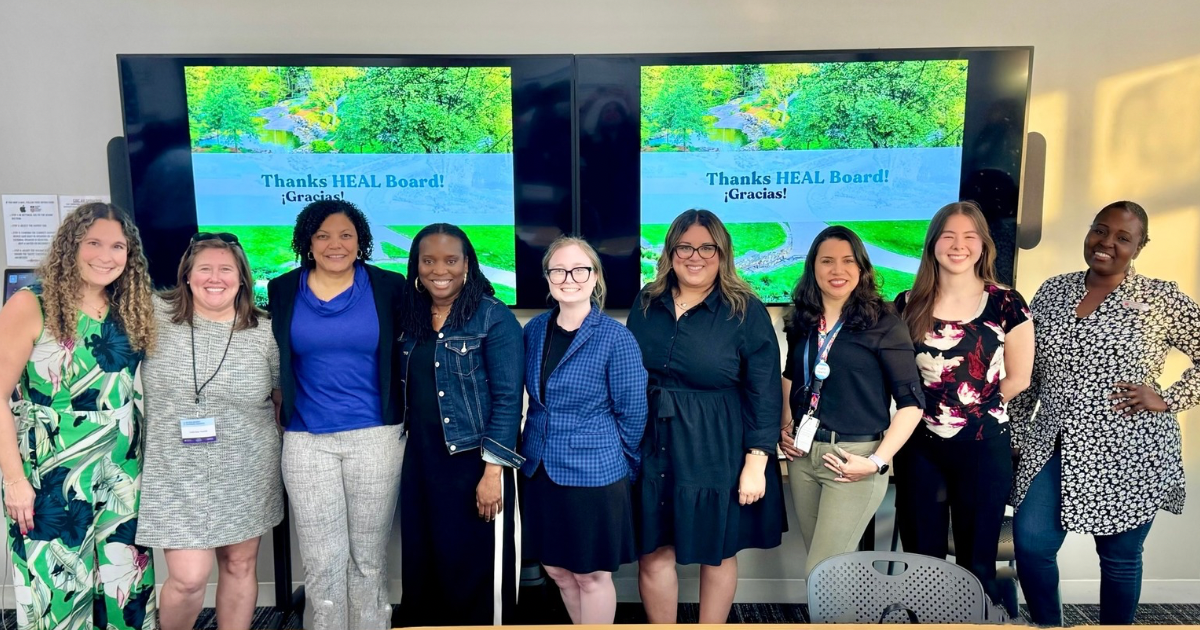
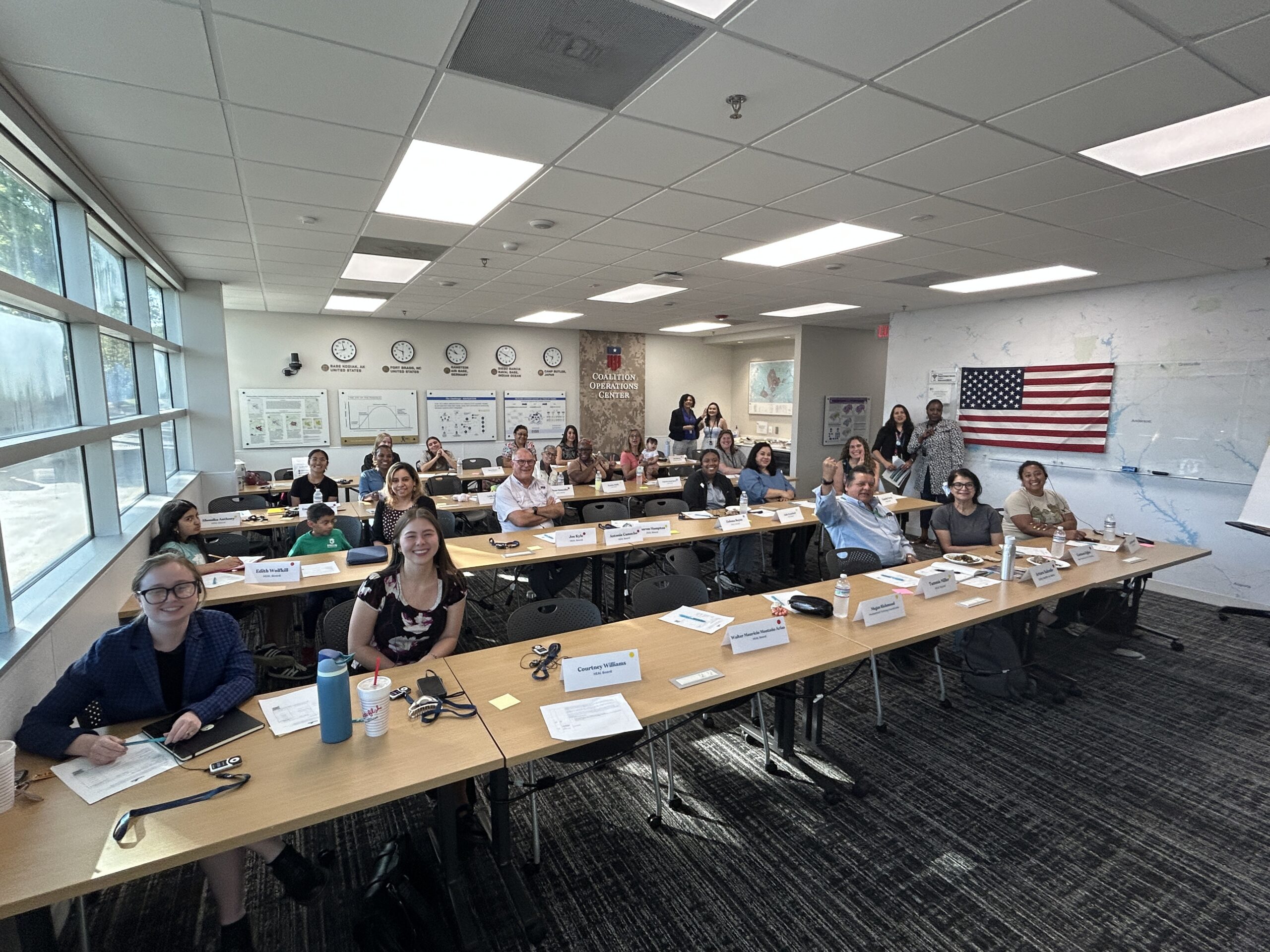
Trainees Visit to the RURAL Study In-Person Steering Committee Meeting
Alternate Logic Model
March Community Chat Series: AHA’s Policy and Advocacy Team
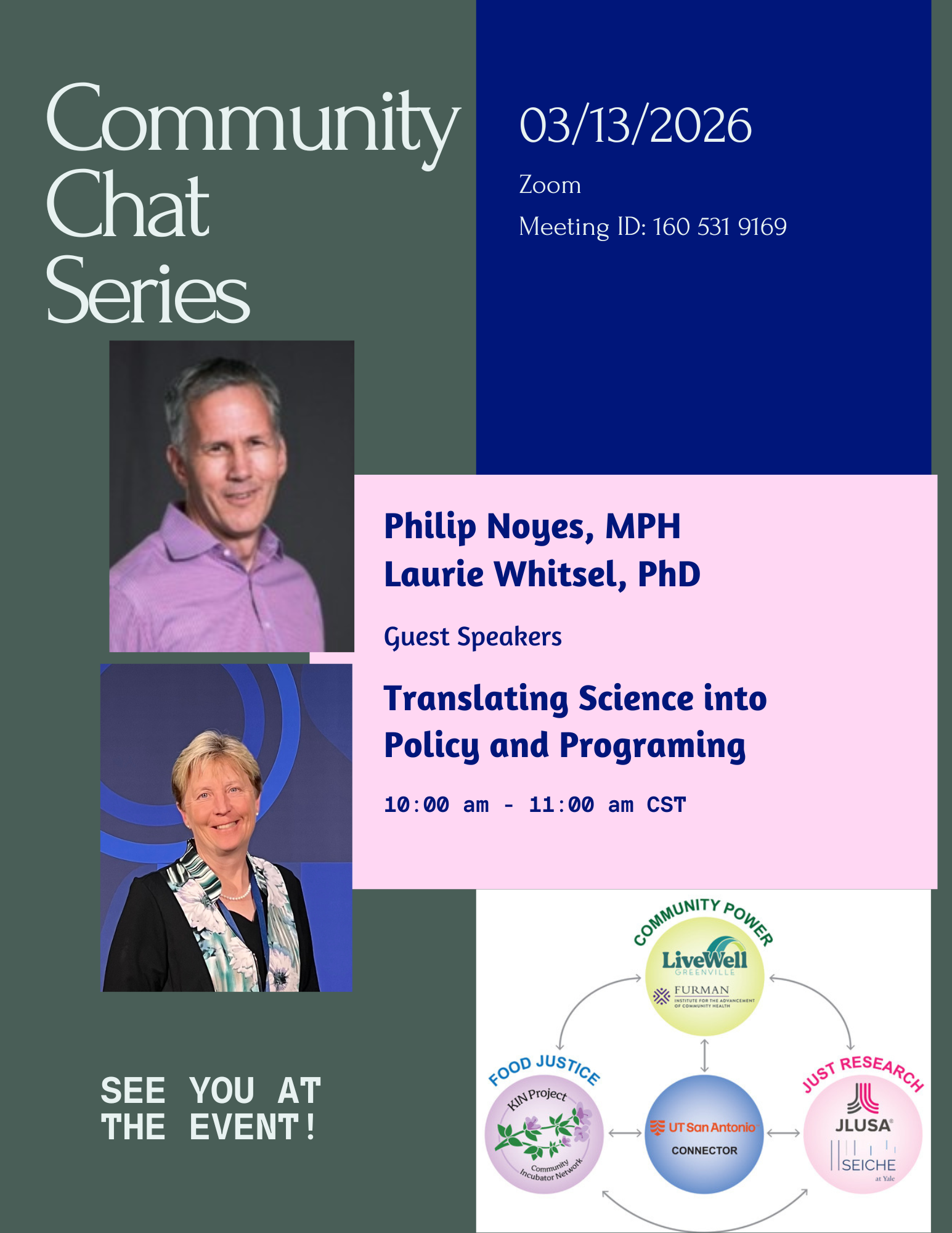
February Community Chat Series: Fayron Epps, PhD, RN, FGSA, FAAN
In this session, Fayron Epps led a discussion on her work partnering with places of worship to address health education needs within Black communities across the United States. The conversation emphasized the critical role that faith-based institutions play as trusted, culturally grounded spaces for outreach, engagement, and health promotion. Participants explored how churches and other worship settings can serve as powerful platforms for delivering health information, fostering dialogue, and addressing disparities in ways that resonate with community values and lived experiences. The discussion also highlighted key strategies for effective collaboration, including building long-term relationships with faith leaders, aligning health initiatives with community priorities, and integrating spiritual and cultural perspectives into health education efforts. Real-world examples illustrated how these partnerships can expand access to care, improve health literacy, and strengthen trust between communities and health systems, reinforcing the importance of meeting people where they are.
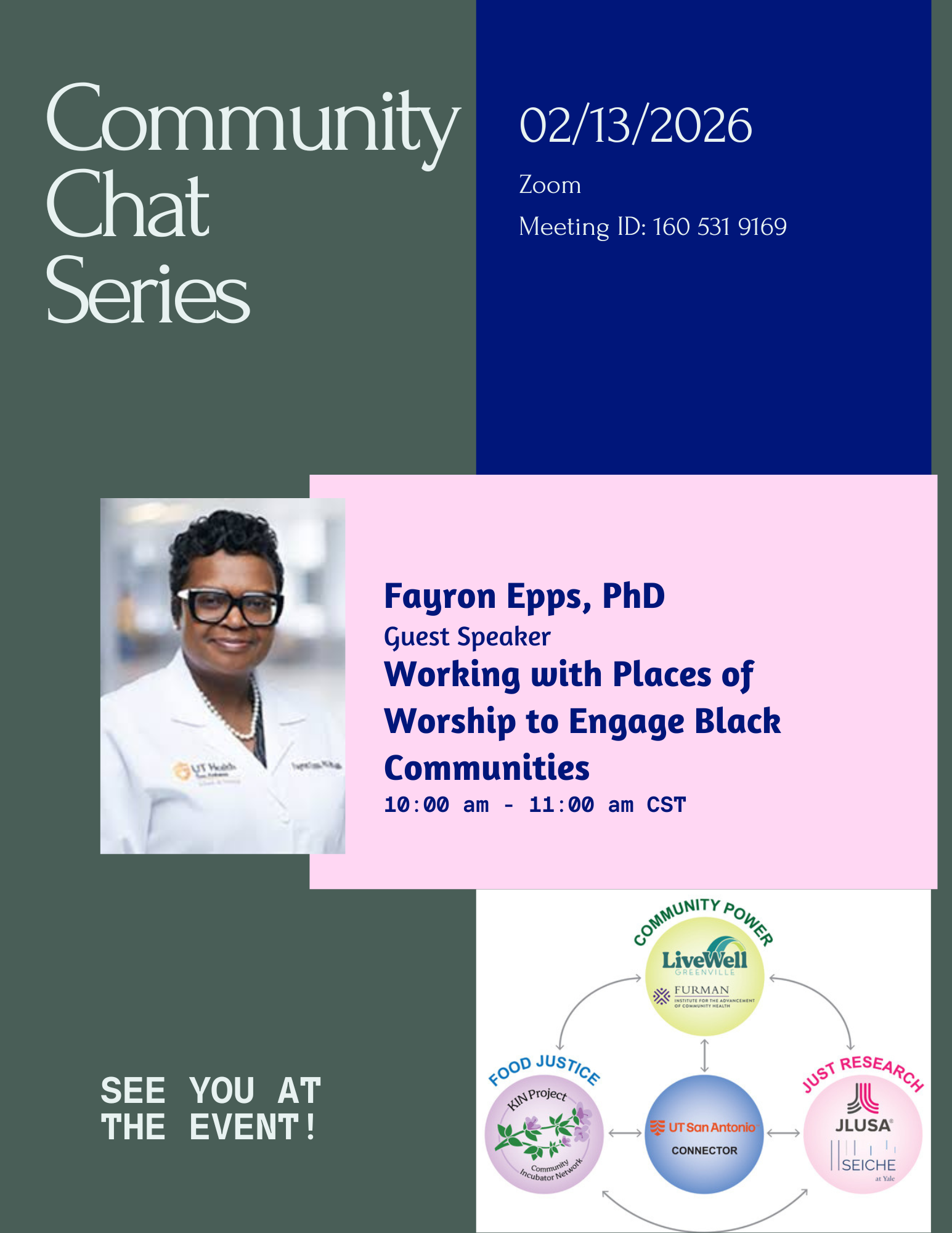
Coffee Hour
In February and March, the CONNECTOR team hosted the monthly HERN Coffee Chat meeting. Participants shared personal stories and reflected on family, community, and shared experiences. This trust building exercise was pivotal to furthering relationships between hubs.
House of Neighborly Service Nutrition Project
The CONNECTOR team is working with the House of Neighborly Service, to design and implement improvements to their nutritional program for seniors healthier and more cost effective. The team is now working with nutritionists who can provide hands-on training to their kitchen staff in support of their goal.
Child Development CBO’s
The CONNECTOR team met with several Community-based organizations in San Antonio with mission statements revolving around supporting the health, education and safety of young children with the intention of further developing our relationship and to help support their needs. CONNECTOR also connected with AHA’s Voices for Healthy Kids to begin talks on how to address needs of child health in select San Antonio zip codes.
The discussion identified two essential practices: partnering with community “insiders” as true collaborators and using participatory methods throughout the research process, from data collection to interpretation and dissemination. Real-world examples illustrated how relationship-building, shared leadership, fair compensation, and ongoing attention to power dynamics strengthen both research quality and impact. The conversation, hosted by our OAC member, Lisa Vaughn, also surfaced important questions about translating socially engaged research into healthcare systems that genuinely value partnership and relationship-centered work.
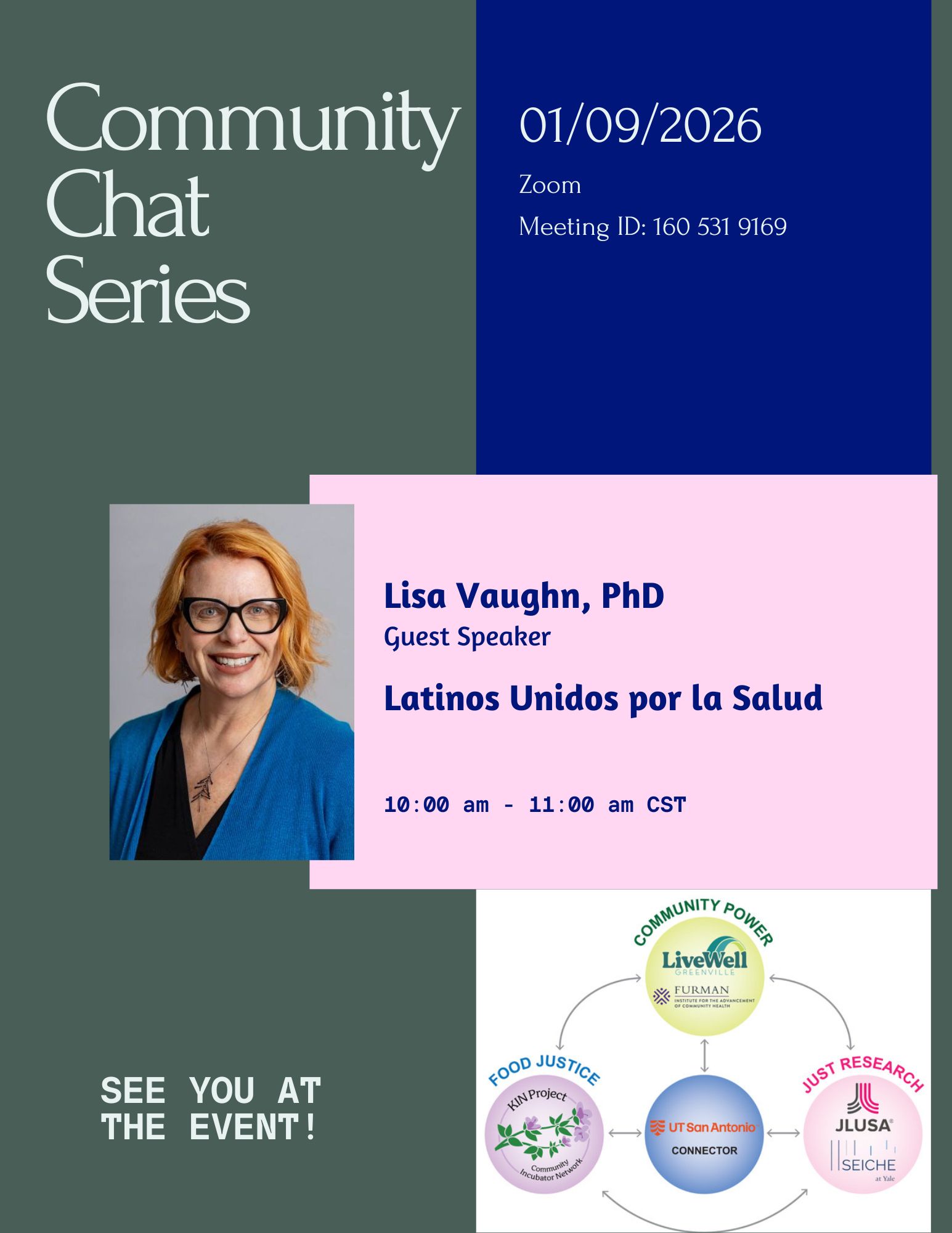
January Community Chat Series- Lisa Vaughn, PhD
In the January session titled Socially Engaged Research, the community explored why research should be conducted with people rather than on them, emphasizing that those closest to a problem are often closest to its solutions. Participants highlighted trust, relationships, and co-learning as foundational, noting that historical research abuses demand new, partnership-centered approaches that elevate lived experience as expertise and prioritize shared decision-making.
The discussion identified two essential practices: partnering with community “insiders” as true collaborators and using participatory methods throughout the research process, from data collection to interpretation and dissemination. Real-world examples illustrated how relationship-building, shared leadership, fair compensation, and ongoing attention to power dynamics strengthen both research quality and impact. The conversation, hosted by our OAC member, Lisa Vaughn, also surfaced important questions about translating socially engaged research into healthcare systems that genuinely value partnership and relationship-centered work.
Developmental Work
In January, the CONNECTOR team met with several community-based organizations in San Antonio with mission statements focused on supporting the health, education, and safety of young children, with the intention of further developing our relationship and helping support their needs.
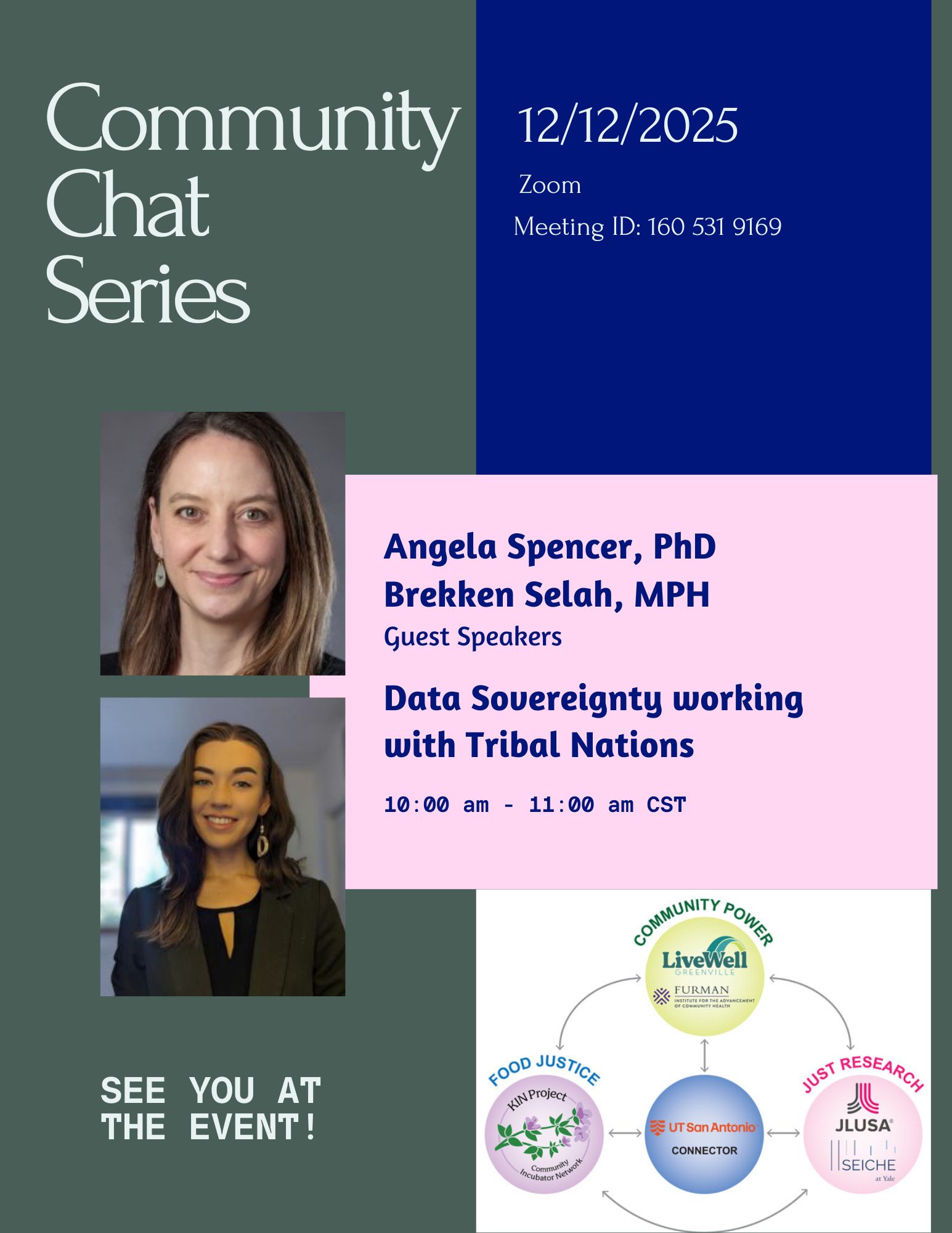
December Community Chat Series- Angela Spencer, PhD and Brekken Selah, MPH
In the December session, Data Sovereignty and Working with Tribal Nations, participants learned from Angela Spencer and Brekken Selah about the foundations of Tribal Sovereignty and its implications for research, data use, and community engagement.
The discussion emphasized that Tribal Sovereignty is inherent and distinct, shaping how data must be collected, governed, and shared when working with Tribal Nations. Speakers unpacked key concepts such as data sovereignty and stewardship, and highlighted the importance of transparency, trust, and ongoing dialogue throughout the research lifecycle. Through real-world examples, including the Grow Rural Project in Montana, the session demonstrated practical strategies for honoring community authority, such as negotiating data access and storage, involving community members in analysis, and returning findings in meaningful, non-academic ways.
This Community Chat reinforced that responsible research with Tribal Nations requires more than compliance. It requires respect, relationship-building, and recognition of the responsibility that comes with being entrusted with community data and stories.
House of Neighborly Service
In December, the CONNECTOR team met with the House of Neighborly Service, which expressed interest in improving its nutritional program for seniors to make it healthier and more cost-effective. The team is now working with nutritionists who can provide hands-on training to their kitchen staff in support of their goal.
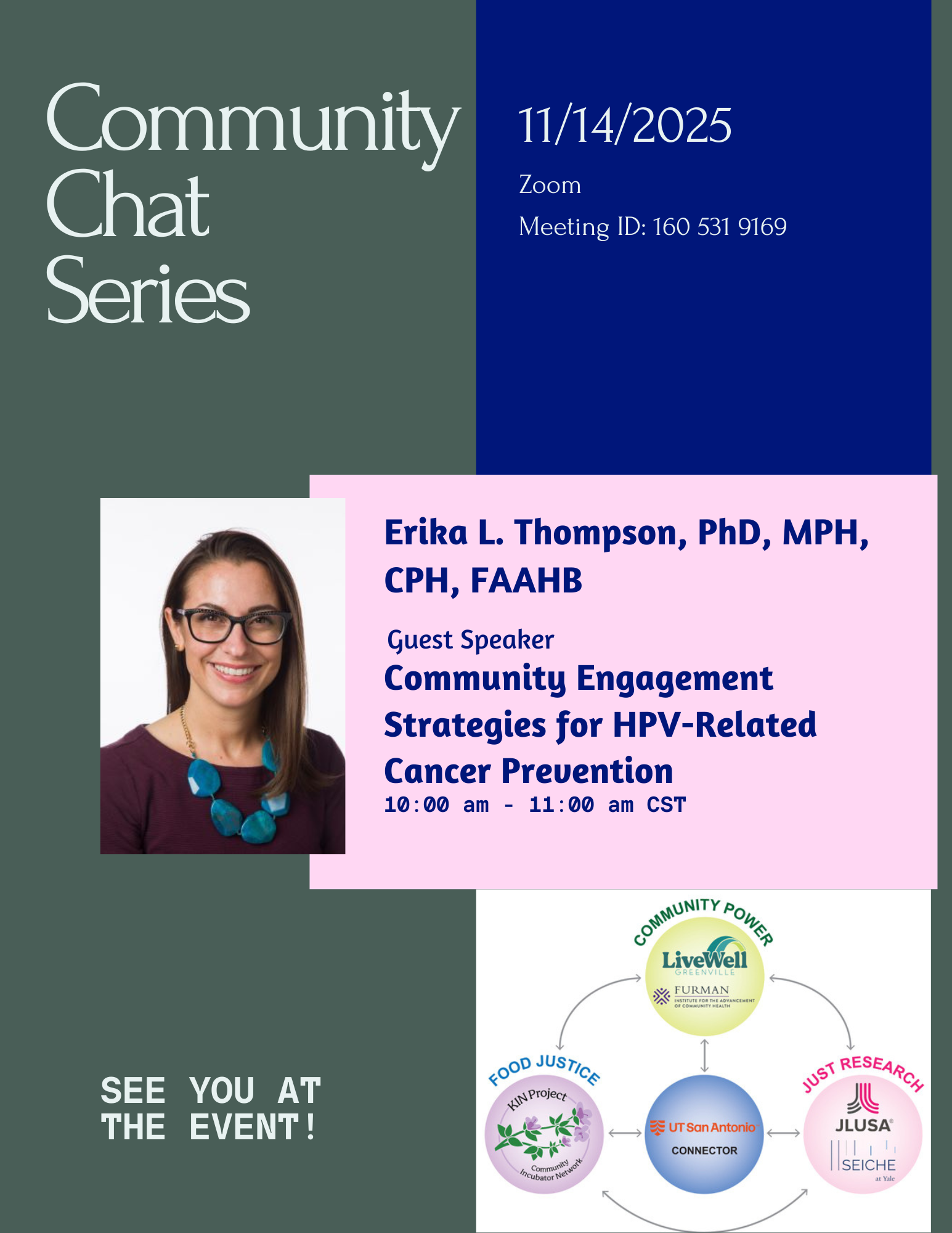
November Community Chat Series- Erika Thompson, PhD, MPH, CPH, FAAHB
The November Community Chat Series session focused on community-driven approaches to preventing HPV-related cancers, featuring Dr. Erika L. Thompson. The discussion highlighted HPV as a common virus linked to multiple cancers. It emphasized vaccination as a powerful cancer-prevention tool, while acknowledging persistent gaps in vaccination rates nationally and in Texas.
Through a case study from a CPRIT-funded project in Bexar County, participants explored how effective prevention efforts begin with trust-building, understanding community context, and centering local strengths. Strategies such as mobile vaccination clinics, partnerships with community organizations, and outreach led by trusted community health workers demonstrated how flexibility and responsiveness can improve access and engagement.
The session underscored the importance of long-term, asset-based partnerships, culturally relevant messaging, and continuous adaptation to community needs. Overall, the conversation reinforced that sustainable HPV-related cancer prevention depends on collaboration, transparency, and shared leadership with the communities most affected.
Coffee Hour
In November, the CONNECTOR team hosted the 1st HERN Coffee Hour meeting in collaboration with Jody Teel from the Furman/LiveWell team. Participants shared personal stories related to family recipes and holiday traditions. This trust-building exercise was pivotal to furthering relationships in our HERN network.
AHA Scientific Sessions Conference
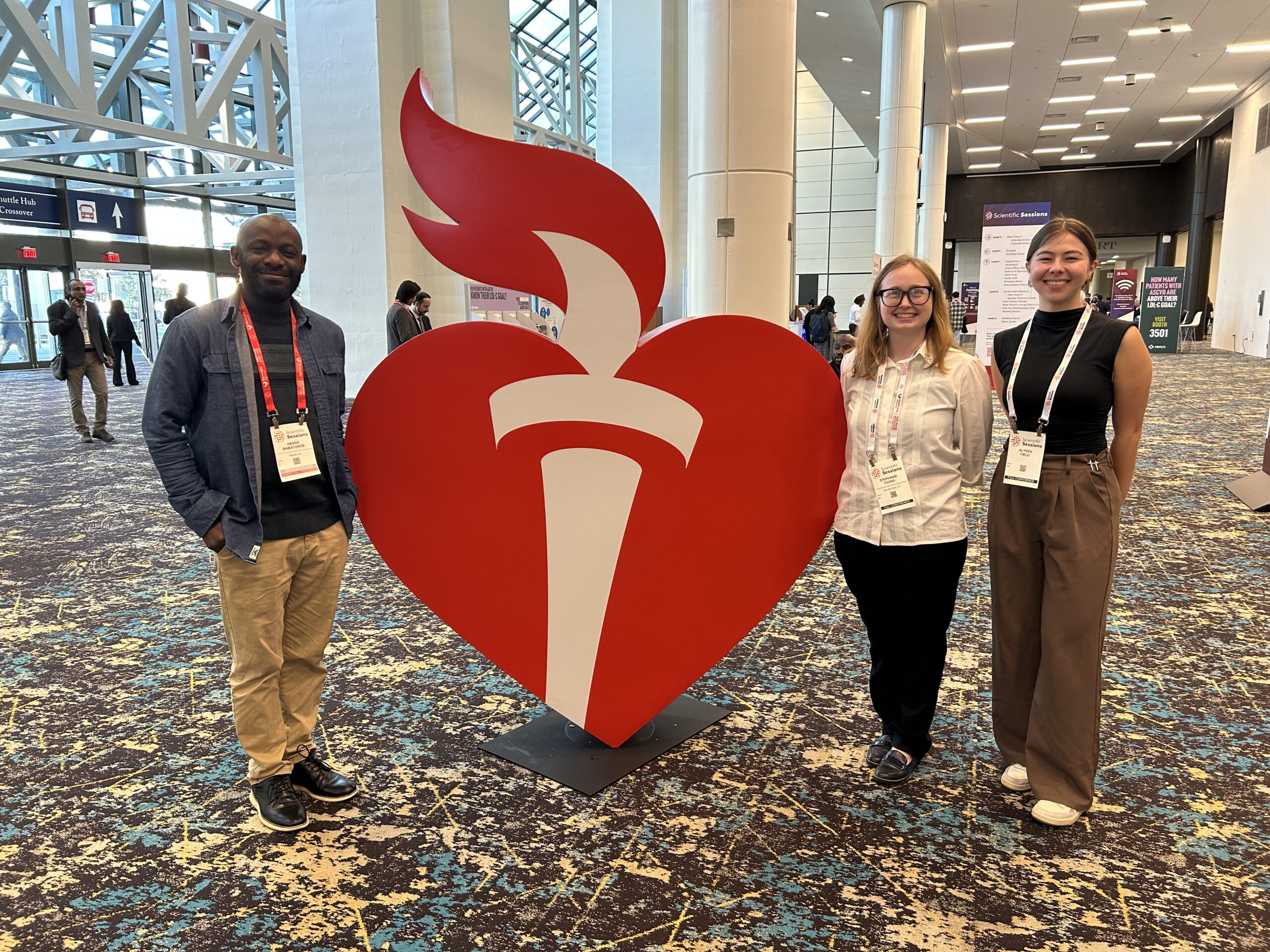
From November 7 to 10, 2025, Lucy Y. and Alyssa F., along with Principal Investigator Vasan Ramachandran, attended the AHA Scientific Sessions Conference in New Orleans, LA. During the conference, they met over breakfast with Furman Fellow Abass Babatunde to discuss ways the Resource Center can more effectively support the hubs and fellows within the CDRA HERN.
CBPR Workshop
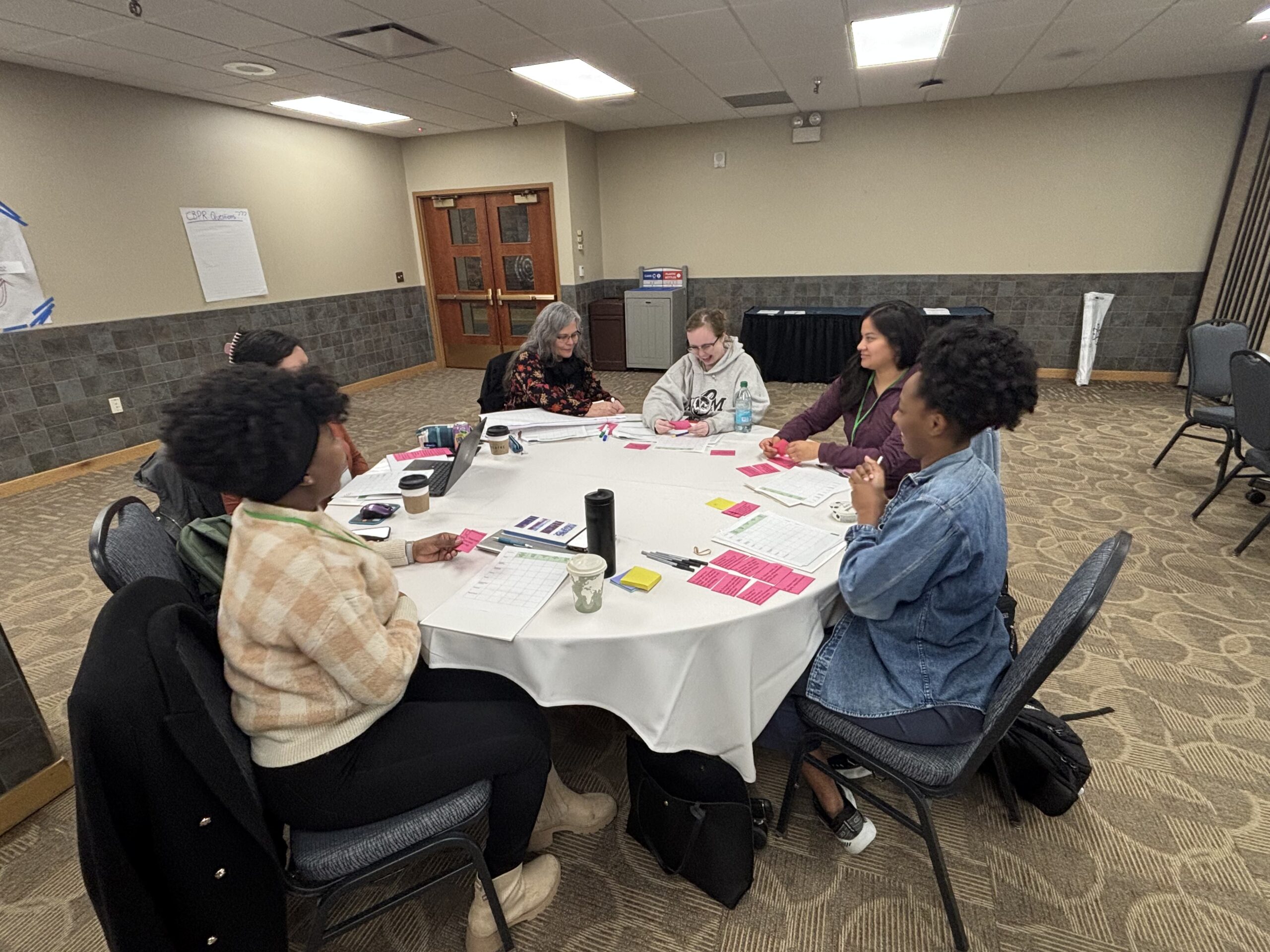
On April 26-27, 2025, Lucy Y. traveled to Bozeman, MT, to attend a Community-Based Participatory Research (CBPR) 2-day workshop hosted by the RURAL Pro-Care HERN. The class gave some perspective on how CBPR differs from typical community-engaged research.
p3 Equate HERN’s Annual Spring Meeting
On March 13-14, 2025, Lucy Y. traveled to Philadelphia, PA, to attend the p3 Equate HERN’s annual spring meeting to gain inspiration for hosting the 1st annual meeting for the CDRA HERN in San Antonio, TX.